
A visible community
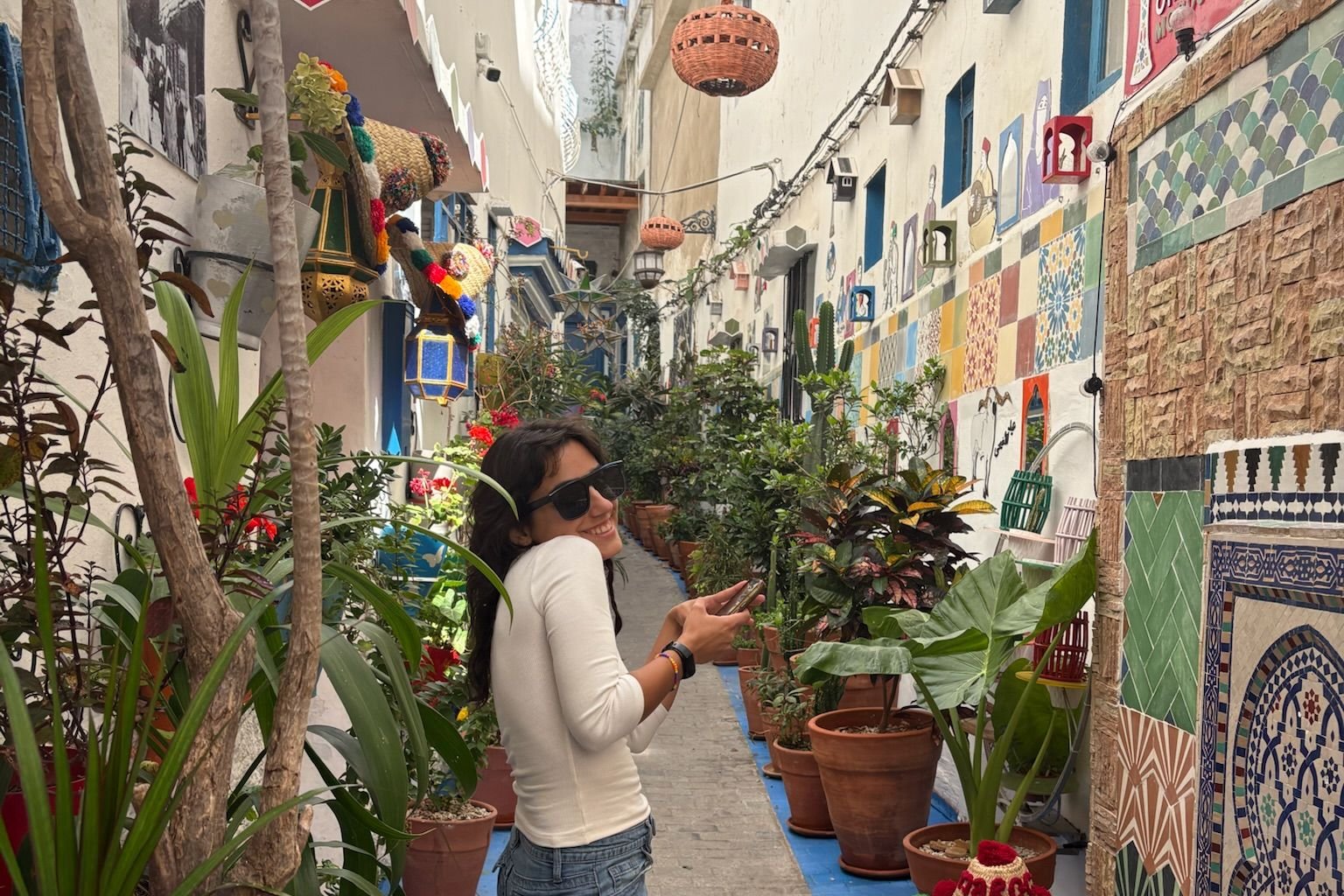

Here in Seville, I have had an entirely different experience with a connection to history through architecture and through beauty.
A big part of culture is connection to history, especially in a way that is clearly visible. In the United States, there are structures like the Statue of Liberty, which serve as a sort of anchor for the philosophical concept of America: “give me your tired, your poor, your huddled masses yearning to breathe free”. However, I’m from Florida. I would have to get on a plane and travel to see that monument, given the sheer size of the United States. Here in Seville, I have had an entirely different experience with a connection to history through architecture and through beauty.
Every day as I’m walking to class through the gorgeous María Luisa Park, I pass by the Plaza de España and I’m aware of how many generations have stepped exactly where I am stepping since it was built in 1928 for that year’s World Fair. One morning, I decided to explore the building on my own to take it in without the crowds of tourists that understandably flock to it. The architectural style of the building feels uniquely Spanish, with a stunning mixture of Seville’s iconic ceramic tiles with Neo-Mudéjar patterns alongside Renaissance Revival pillars and paintings of cherubs and horses. The center of the Plaza also contains little alcoves dedicated to the different parts of Spain, aptly titled Alcoves of the Provinces, where I could comfortably sit and watch the city slowly come to life around me. Each alcove also contains little covered bookshelves, which I later learned some visitors use as charming anonymous free book exchanges similar to the non-profit “Little Free Library”.
Last week, I had the pleasure of taking a guided tour of the rooftops of Seville Cathedral, which left me genuinely awestruck at multiple points. The beauty and the majesty of the structure moved me deeply. It was originally a mosque in the 12th and 13th centuries during the Almohad rule of the Iberian Peninsula but was then converted into the largest gothic cathedral in the world after the city was reconquered. Parts of the original structure remain as a constant visible reminder of that history, most notably the Giralda tower. The cathedral isn’t just a historical monument, though. They have mass every morning, where you can listen to organs which were rebuilt over a century ago following an earthquake in the year 1888. It’s hard not to think of the many generations of people who have found peace and belonging within those very walls the moment you step inside and gaze up at the colorful stained-glass windows
There’s a level of empathy and awareness of your fellow human that comes with this ever-present tie to the history of Seville and of Spain as a whole. The number of pedestrians here make it nearly impossible to forget that you are part of a collective and to feel a deep responsibility and connection to the people next to you in a way that is very different from the culture in the United States, which is a mere 250 years old and where most people choose to drive.
Recent articles
View all articles
Our First Steps into Spanish Life
September brought new faces, new beginnings, and our first glimpse of the beauty of Sevilla.
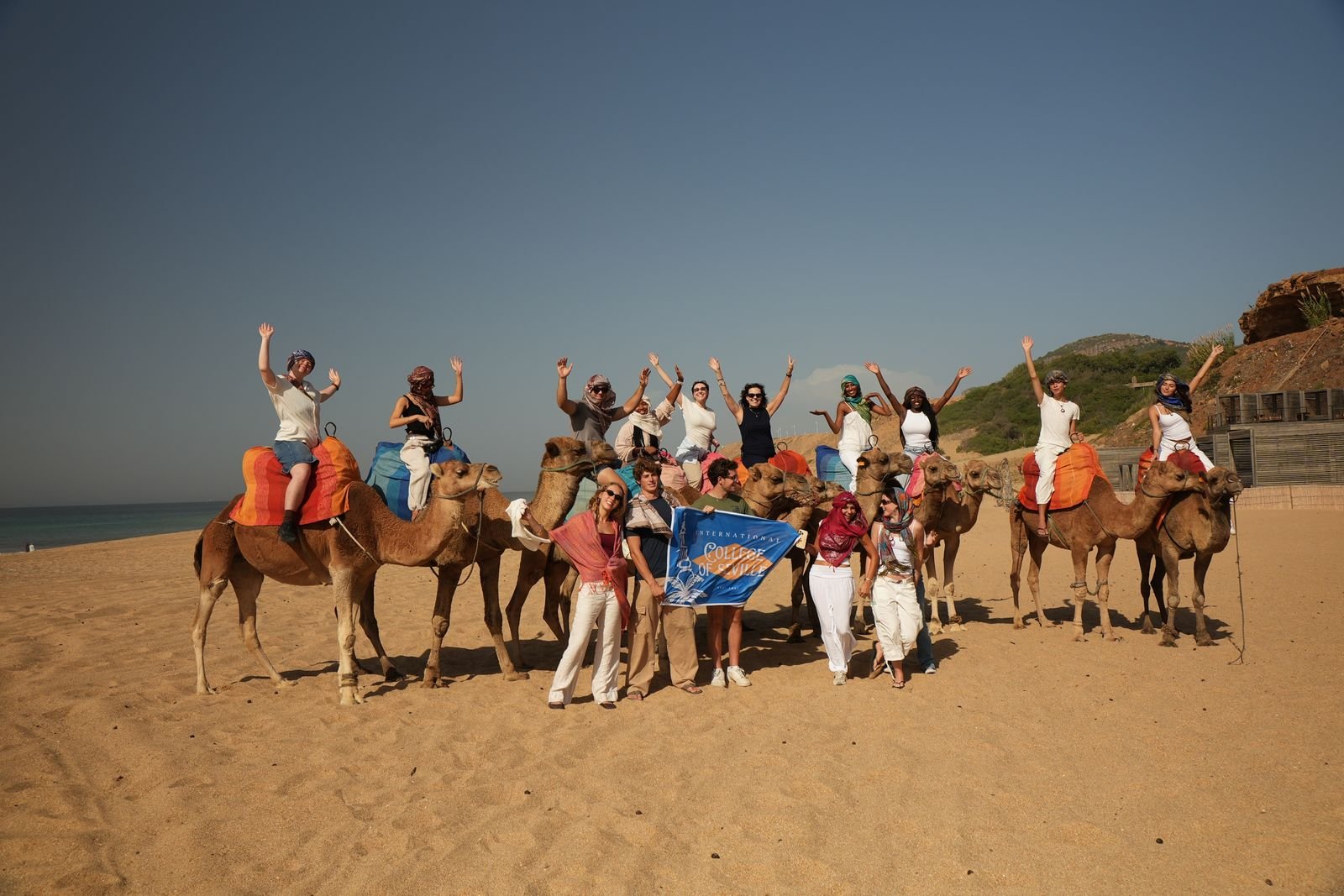
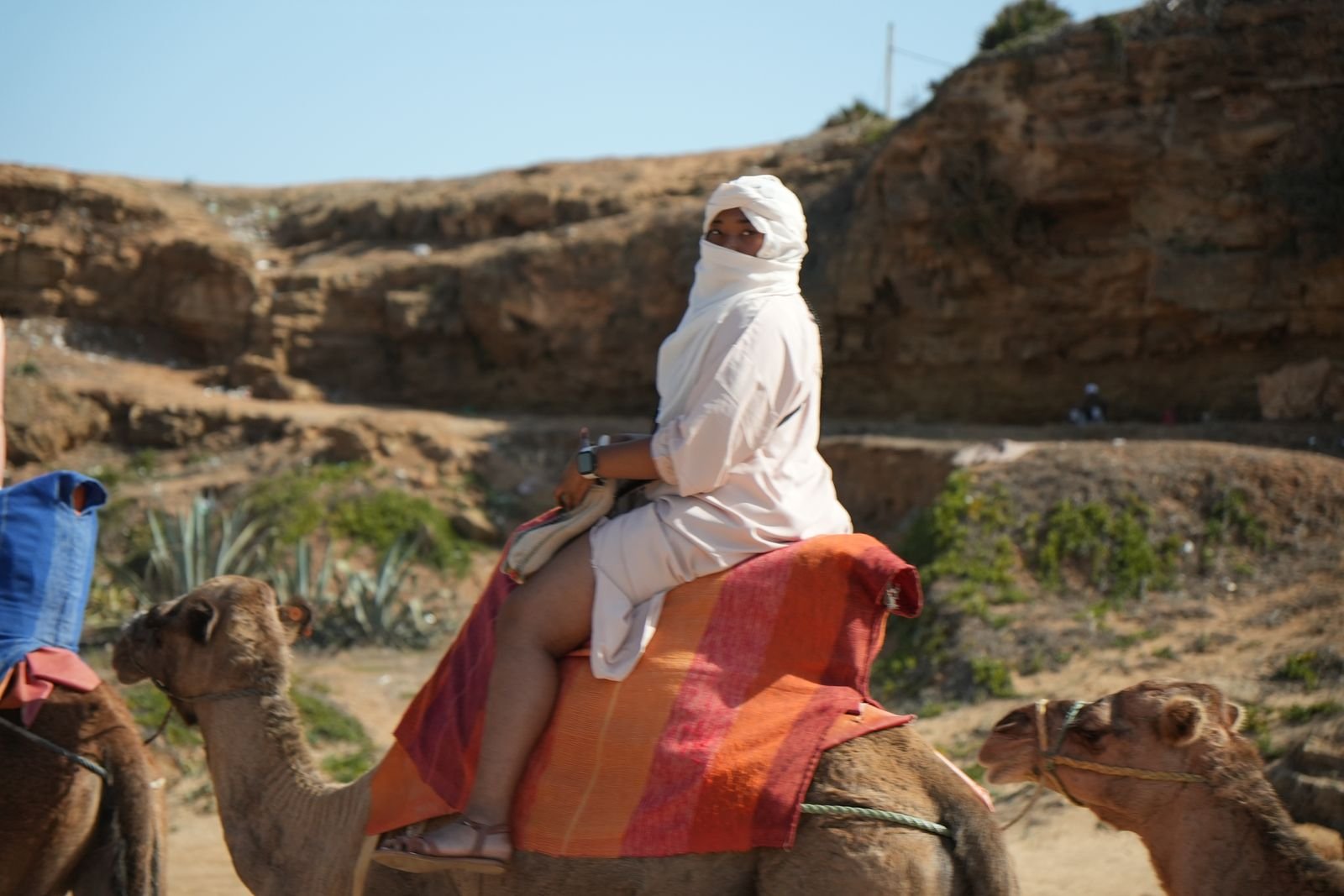
Reconnecting in Morocco
Much about my upbringing is what I would describe as simply “statistically uncommon”.
New perspectives: From Moroccan markets to a Seville kitchen
October was an unforgettable month during my study abroad experience in Sevilla, Spain.